The Cross Cultural Reading Lab
Reading across difference, on purpose.
The Cross-Cultural Reading Lab is a living research practice devoted to reading beyond one's habitual borders—across cultures, languages, traditions, and ways of making meaning.
It is not a reading list.
It is not a book club.
It is not a performance of expertise.
The Lab is where reading happens in motion: in unfamiliar places, through translation, alongside travel, scholarship, and lived experience.
What the lab is
The Lab is an experiment in reading as encounter.
Much of my scholarly work involves deliberately placing myself in texts, traditions, and intellectual frameworks that are not "mine," and then attending closely to what happens next: confusion, resistance, misrecognition, insight, revision.
Here, I document that process as it unfolds.
The goal is not mastery. It's attunement.
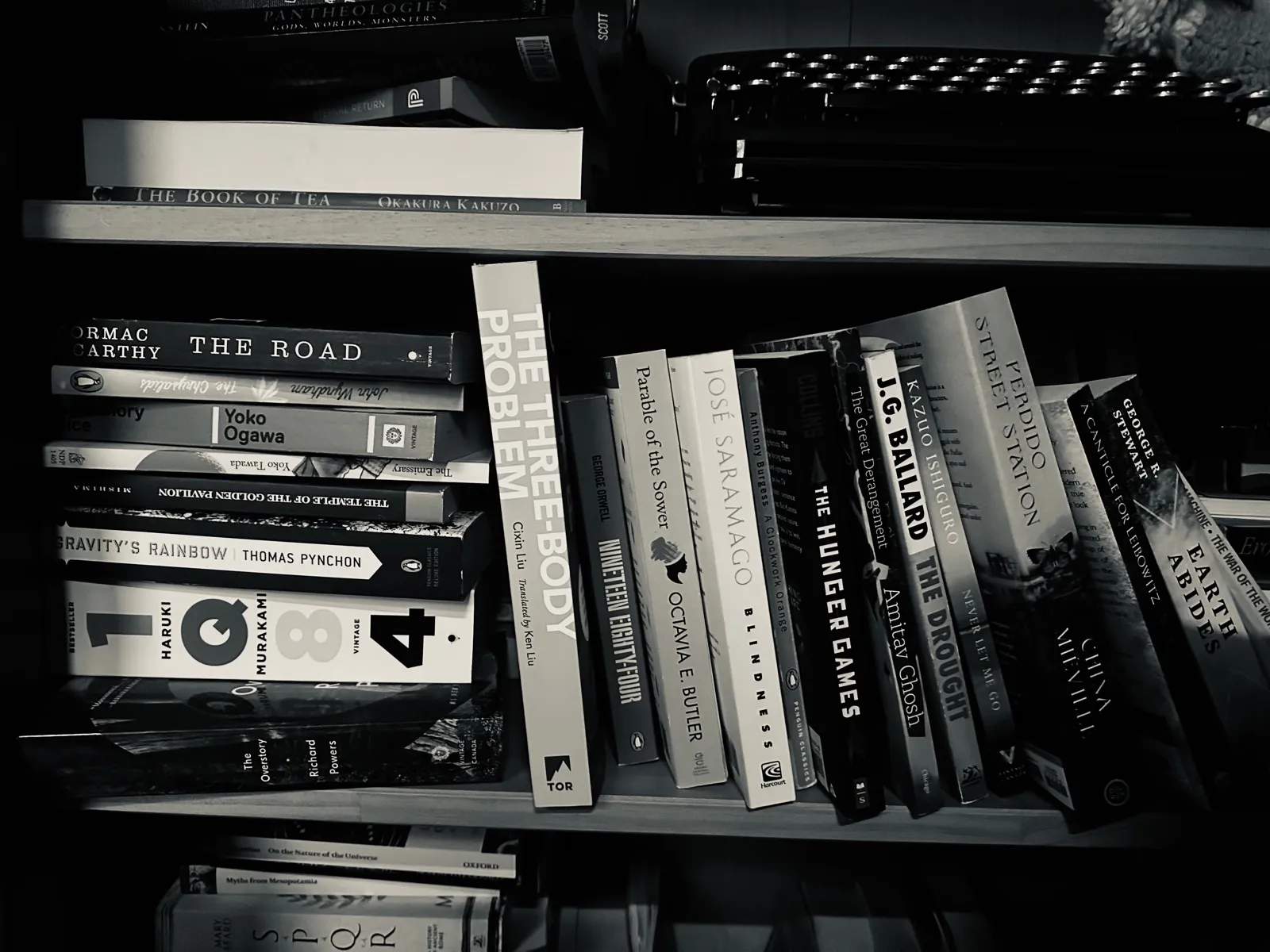
You'll find
- Field notes from reading while traveling
- Reflections on reading across languages and translations
- Essays on cross-cultural interpretation
- Experiments in method, not just conclusions
Some entries are polished.
Others are provisional.
All of them are part of the work.
Why "cross-cultural" matters
Reading across cultures is not simply a matter of expanding one's bookshelf. It requires learning to sit with uncertainty, to recognize the limits of one's interpretive habits, and to allow texts to resist easy assimilation.
The Lab takes that resistance seriously.
I'm interested in
- What gets lost and what gets transformed in translation
- How cultural assumptions shape interpretation
- What reading unfamiliar traditions does to familiar ones
- How fiction, theory, and myth travel differently across contexts
How the lab works
The Lab does not run on a schedule. Entries appear when the work produces something worth sharing.
The Lab is intentionally slow. It privileges attention over output and curiosity over closure.
If you're looking for certainty, this may frustrate you.
If you're interested in thinking alongside uncertainty, you're welcome here.
Notes from the Lab
Working thoughts, field notes, and essays
Written alongside research, teaching, and travel.
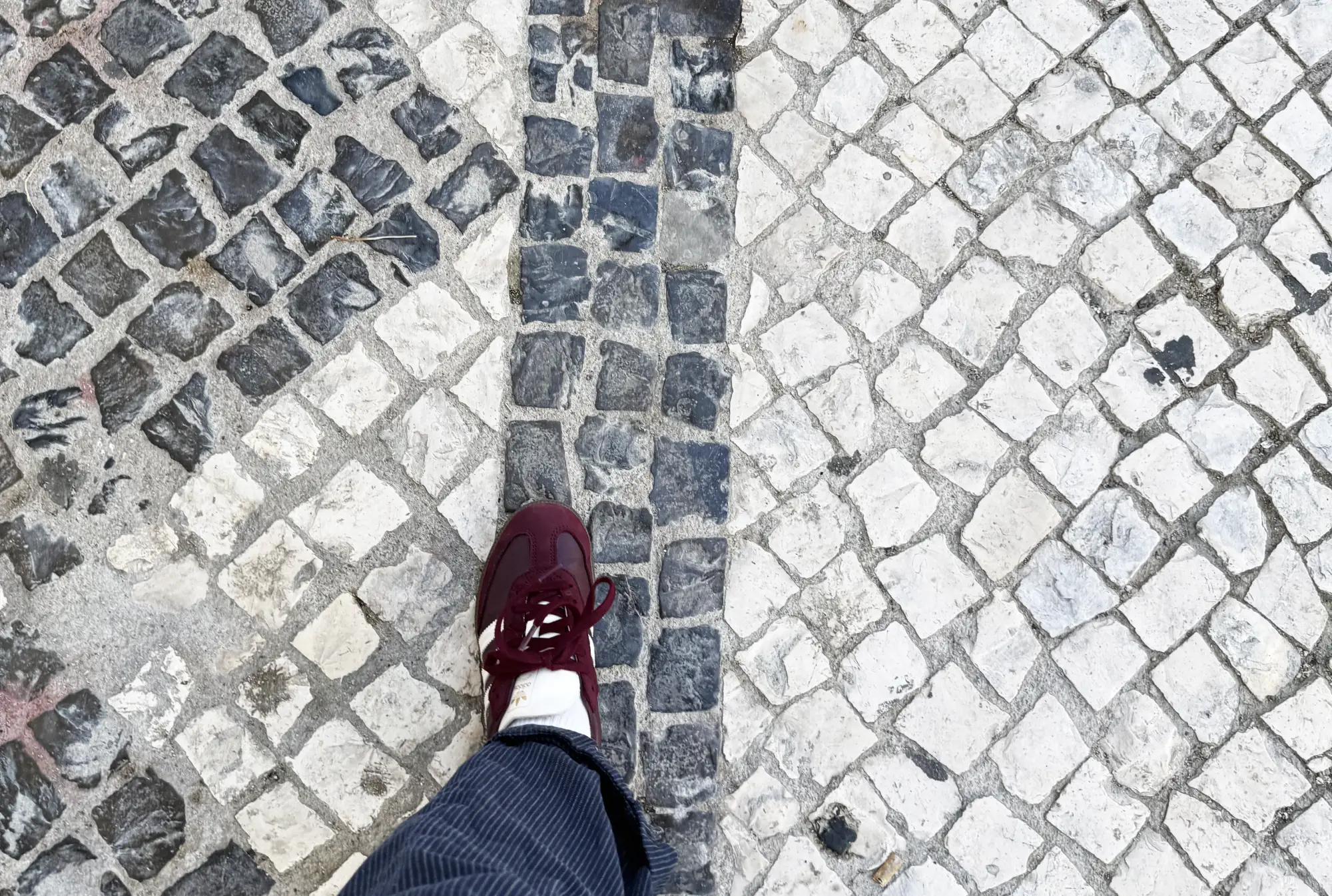
Field Notes: Lisbon
On cobblestones, colonial ruin, and the habit of rebuilding: a Lisbon dispatch through Saramago and Lobo Antunes.

Field Notes: Denmark
On reading Ditlevsen from the wrong city — and why that turned out to be exactly right.
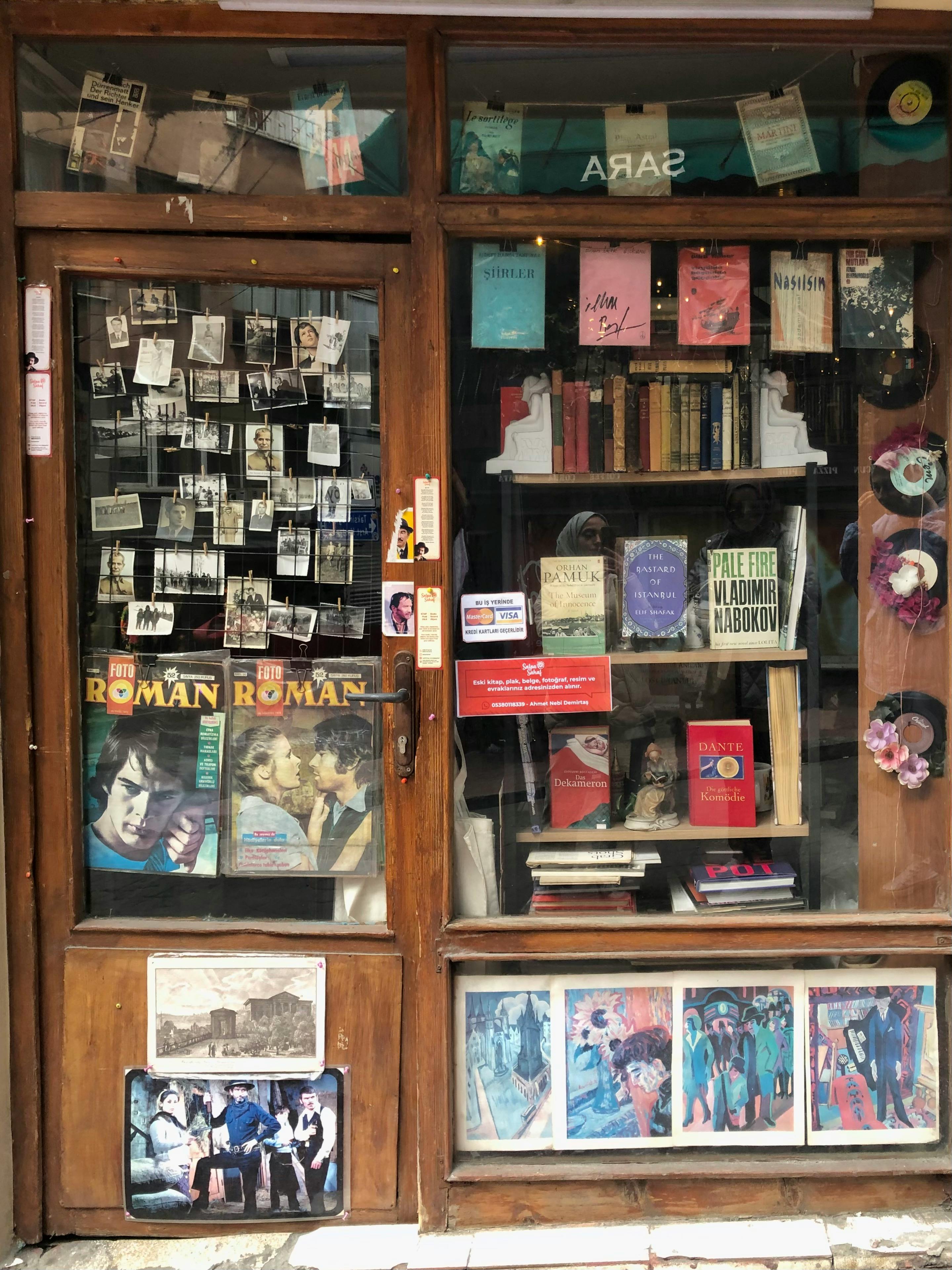
Cross-Cultural Reading Lab: Travel as Literary Criticism
Using travel to challenge Western literary assumptions. The Cross-Cultural Reading Lab practices secular criticism through displaced, embodied reading in foreign spaces.