I went to Denmark expecting Vikings.
Not literally. But I’d spent enough time with the cultural mythology of the place, the films, the crime novels, the relentless hygge industrial complex, that I’d built a version of Denmark in my head before I ever set foot there. Tall. Blonde. Severely beautiful. The kind of people who chop their own firewood and don’t need to tell you about it.
I wasn’t wrong. But I wasn’t right either.
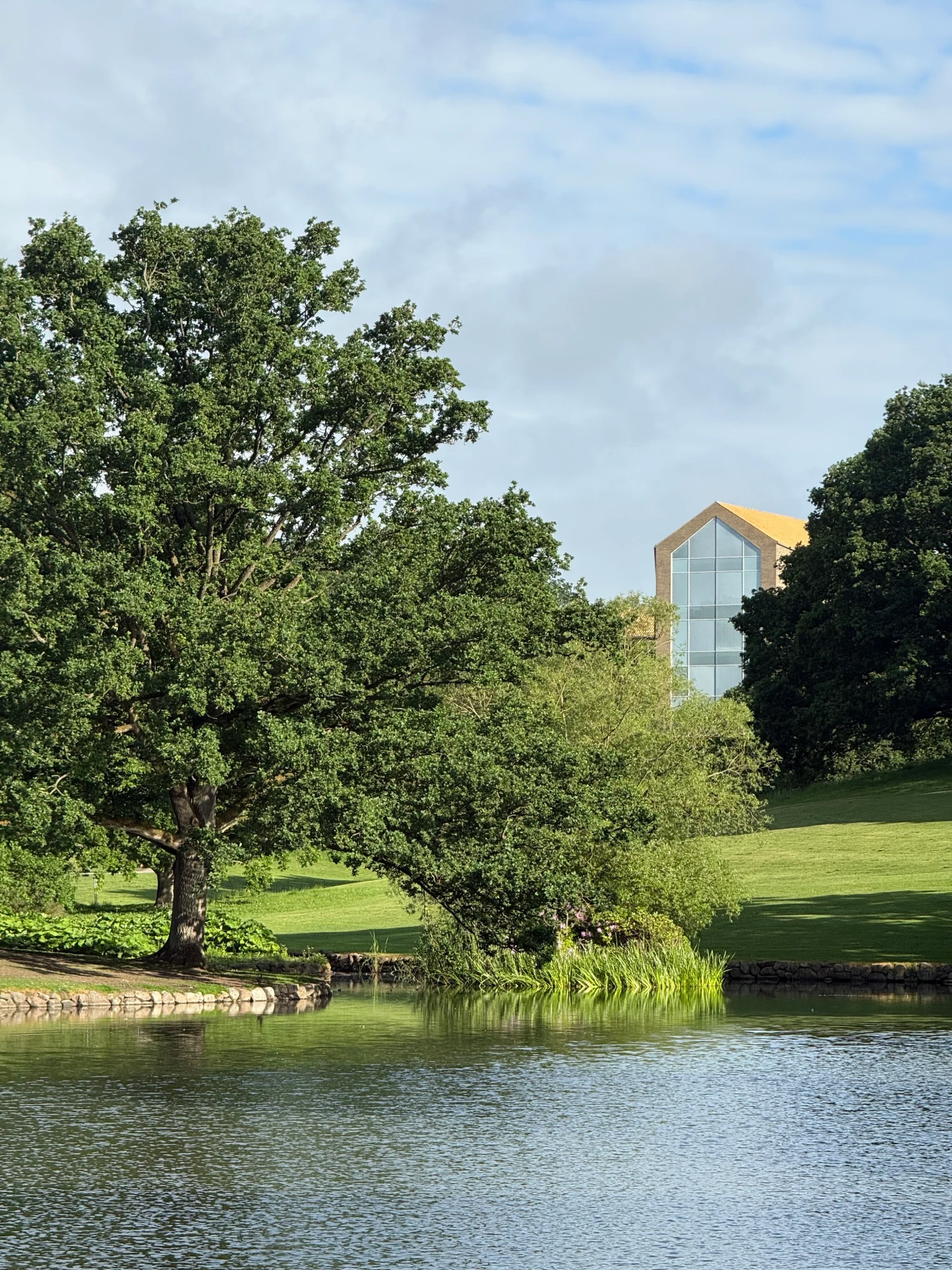
Aarhus is a harbor city that has made its peace with not being Copenhagen. It’s clean in a way that should feel sterile but doesn’t. The bookshops are serious without being precious about it. The people look like they’ve been somewhere cold and come back with something to think about. You stand in front of things that should feel significant, a medieval cathedral, a waterfront that goes on forever, and they just sit there, doing what they do, utterly indifferent to your reaction. The city doesn’t perform for you. You either show up or you don’t.
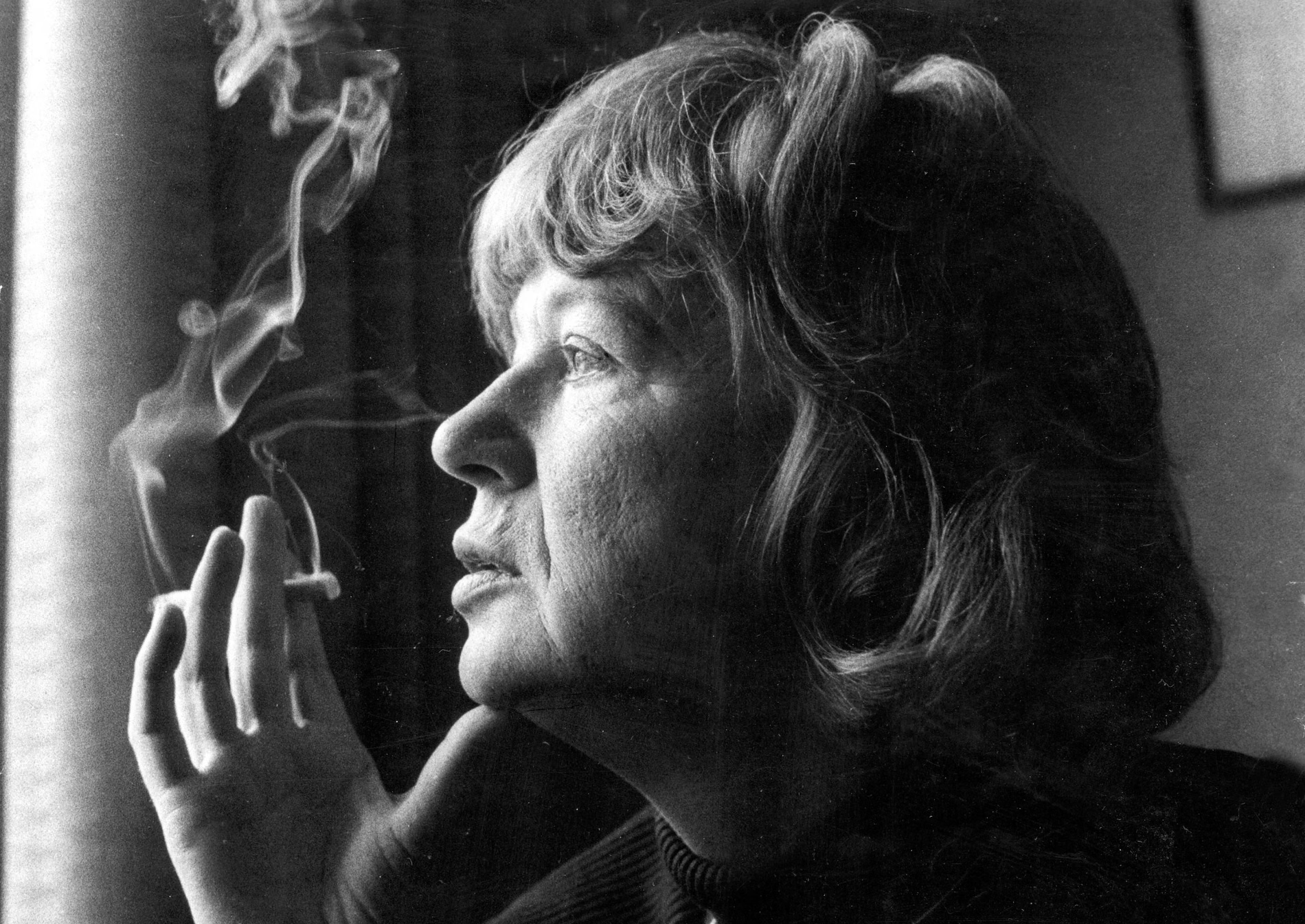
I was reading Tove Ditlevsen while all of this was landing.
I’d brought the Copenhagen Trilogy because it seemed like the right call, going to Denmark, reading Denmark’s essential voice, the kind of pairing that looks good on paper. What I hadn’t thought through was that I wasn’t going to Copenhagen. I was going to Aarhus, three hours up the coast. The Copenhagen Ditlevsen wrote about, Vesterbro in the thirties, the specific poverty of those streets, what it did to a person, was a city I’d not be seeing. I was reading about a place I wasn’t in, inside a country I was just beginning to understand.
That turned out to be the right distance.
Here’s the thing about Ditlevsen. She writes about catastrophe the way you’d describe finding your keys in a coat pocket: matter of fact, no performance, already moving on. A marriage failing. A chemical dependency tightening its grip. The specific way a person can come apart quietly, over years, without anyone in the room noticing. She doesn’t reach for the moment. She states it and moves on. The violence sits inside the sentence so calmly that you almost miss it. Then you put the book down and it finds you later. Two in the morning, three weeks after you’ve finished it, and suddenly a line you barely registered is sitting on your chest.
Roland Barthes had a word for this. The punctum: the detail in a photograph that pierces you only after you’ve looked away. He was talking about photography, but he was also talking about Ditlevsen, whether he knew it or not.
Aarhus does the same thing.
I remember sitting outside somewhere in the city’s historic centre, late afternoon, humid enough that the coffee was probably a bad idea, watching the harbor go about its business. Fishing boats. A couple of kids on bikes. The light going that particular Nordic gray that isn’t quite sad and isn’t quite beautiful but is somehow both. Nothing was happening. Nothing announced itself as memorable. I finished my drink and walked back to my room and thought nothing of it.
That was weeks ago. I think about it constantly.
A culture that insists you not make yourself bigger than your circumstances produces a certain kind of place. And a certain kind of writer. Ditlevsen is working inside that restraint and also against it. The material of her life is genuinely dramatic. What she does with it on the page is the opposite of drama. The gap between those two things is where the book lives. Aarhus has the same gap. The city is quietly extraordinary and has apparently decided that’s your problem to figure out.
Some places ambush you. Some books too. There’s a man I never met, on a subway I was also on, sobbing over Cormac McCarthy with no apparent concern for who was watching. I understood him completely, but only after the fact, when i finally got around to finding what he was sobbing over. That’s one kind of experience, the full-force arrival, the thing that finds you immediately and doesn’t let go. It’s real and it matters.
Then there are places that don’t ambush you at all. That hand you almost nothing, make no promises, and wait. You leave thinking you might have missed something. Then weeks later you realize it’s been there the whole time, unpacking itself in the back of your head, and you never got a say in the matter.
That’s Ditlevsen. That’s Denmark. Something you thought about more after it was over.