There are few books in the Canadian canon that are as under-assigned as John Richardson’s historical romance Wacousta. And arguably that’s for good reason. To say the book is problematic by today’s standards is a gross understatement. Its pages are rife with 19th century ideas about indigeneity, gender, madness, colonialism. It even treats the basic geography of its setting “wrong” in pursuit of its wildly dramatic climax.
All that said: Wacousta is a great place to learn about Canada’s roots — which are in turn problematic.
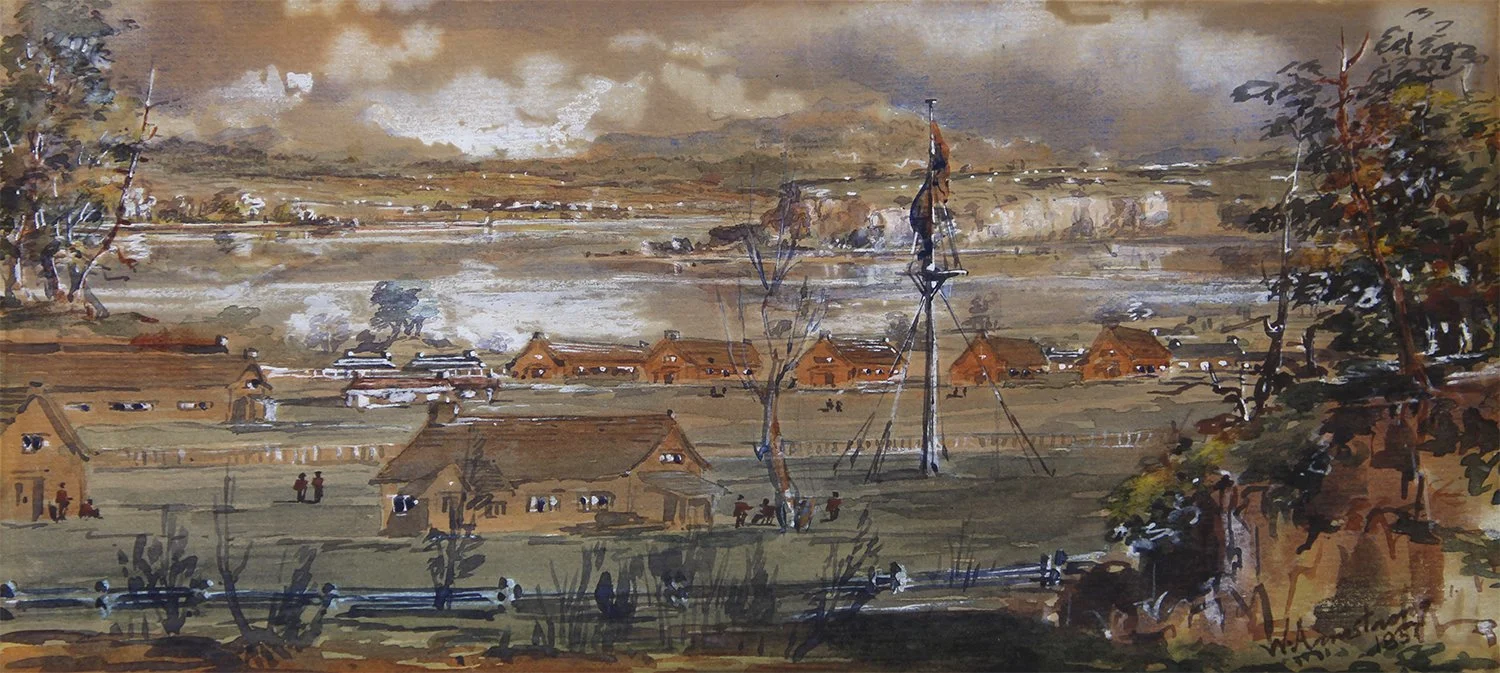
Written in 1832 taking cues from historical romps from the likes of Waverley and The Last of the Mohicans, Wacousta is a gothic romp through barracks era Great Lakes geography. Navigating in and around the 1763 siege of Fort Detroit, the story follows the de Haldimar family and the titular officer Wacousta who has vanished into the primordial backwoods and waterways as he seeks his vengeance.
It’s a gothic blockbuster complete with curses, phantoms, bodice ripping, and violence, and yet it is barely ever assigned in even the most thorough of Canadian Literature syllabi, likely owing to its bald-faced racism and colonial themes. And that’s a shame, because interrogating such themes — and the realities of Canada’s past in literature and in politics — is important work. The insensible cruelty and racism of Canada’s past is shocking and hard to read, but is such interrogation not the work of reconciliation on which Canada’s contemporary media should be embarked?
And so, in keeping with the very gothic notion of facing the ghosts of history, I have put together a guide to help navigate the haunting.
Paired with Canadian critic Northrop Frye’s “Garrison Mentality,” the Readist guide to Wacousta seeks not only to educate, but to lift the veil from Canadian literature’s colonial roots.