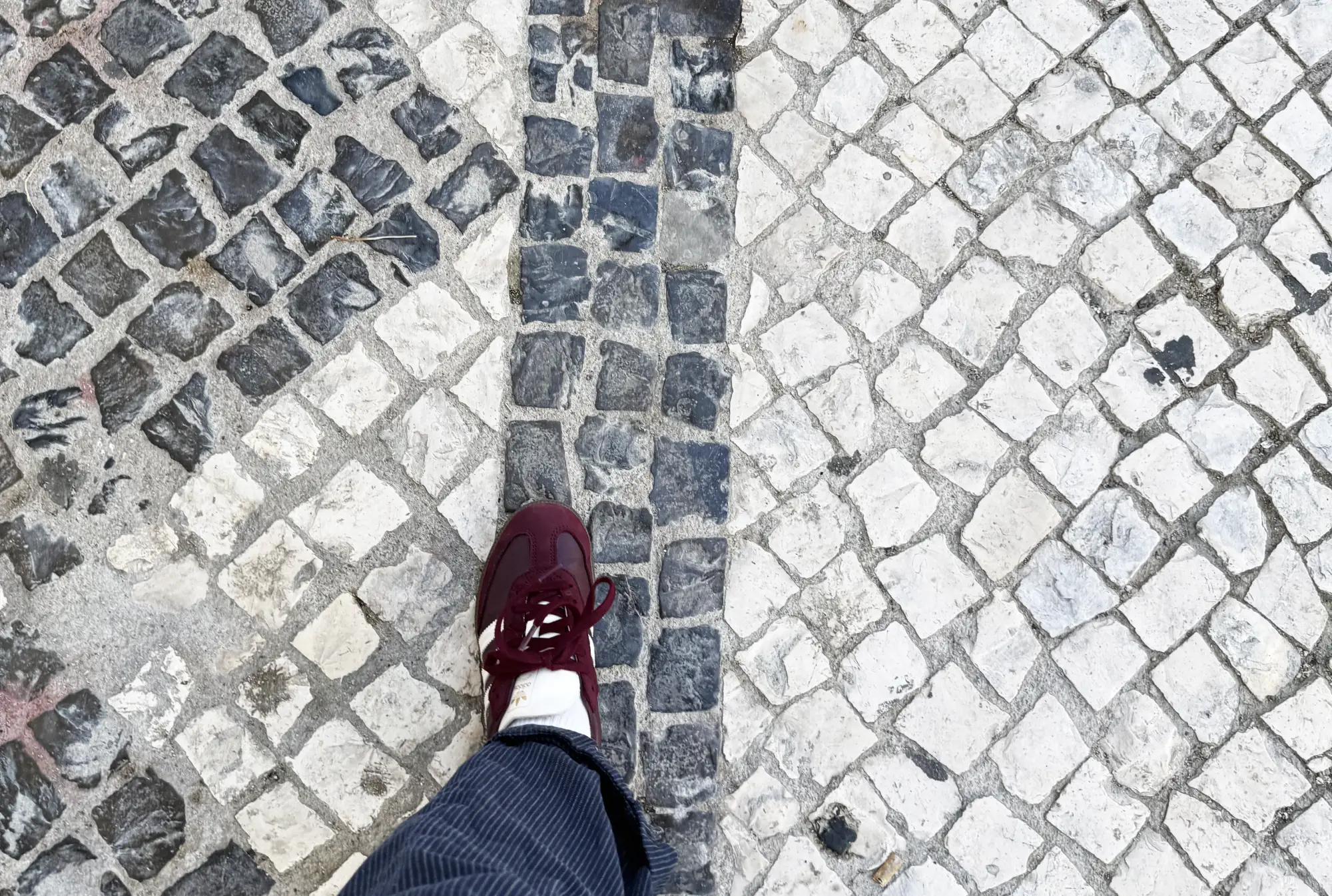
Nothing prepares you for the cobblestones of Lisbon. Not the photos, the research, the volumes of commentary (which will, henceforth, include this article). Nothing can go into sufficient detail to help you expect their slick texture, complex beauty, and least of all their pervasiveness.
But be warned, you should be, because Lisbon is nothing if not a cobbled city. Its walkways are merely the city’s most literal expression of this fact.
As many tourism reports will tell you, Lisbon is possibly Europe’s oldest city. It’s older than Rome, at any rate (say what you will about that city’s claims to antiquity).
But over its long existence, Lisbon has been built and rebuilt many times. Its history is dotted with brilliant rises in power and architecture, and catastrophic falls due to events both natural and contrived. Always, though, its people rebuild her, stone by stone.
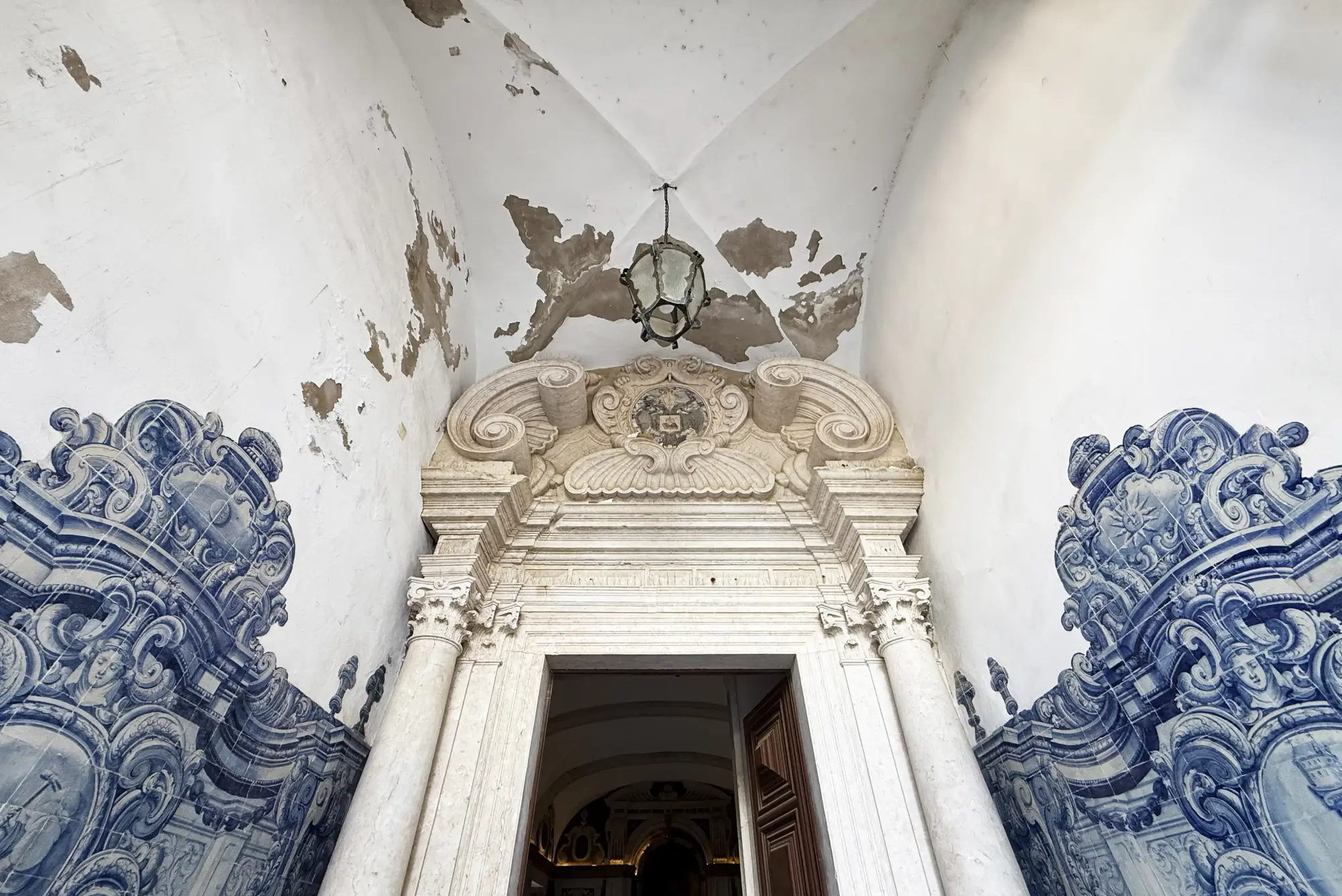
The result is a wonderful quagmire of new architectural styles and historical homage. The fascination with tiles is merely a national footnote inserted into Lisbon’s grander patchwork of rococo, art nouveau, classical, and medieval facades.
As many words as I have burned trying to get this point across, the only way to truly appreciate this “cobbling” is to wander the streets and look to the words of its citizens for guidance, much of which is spent wandering either the city’s inroads or the harder terrain of life itself.
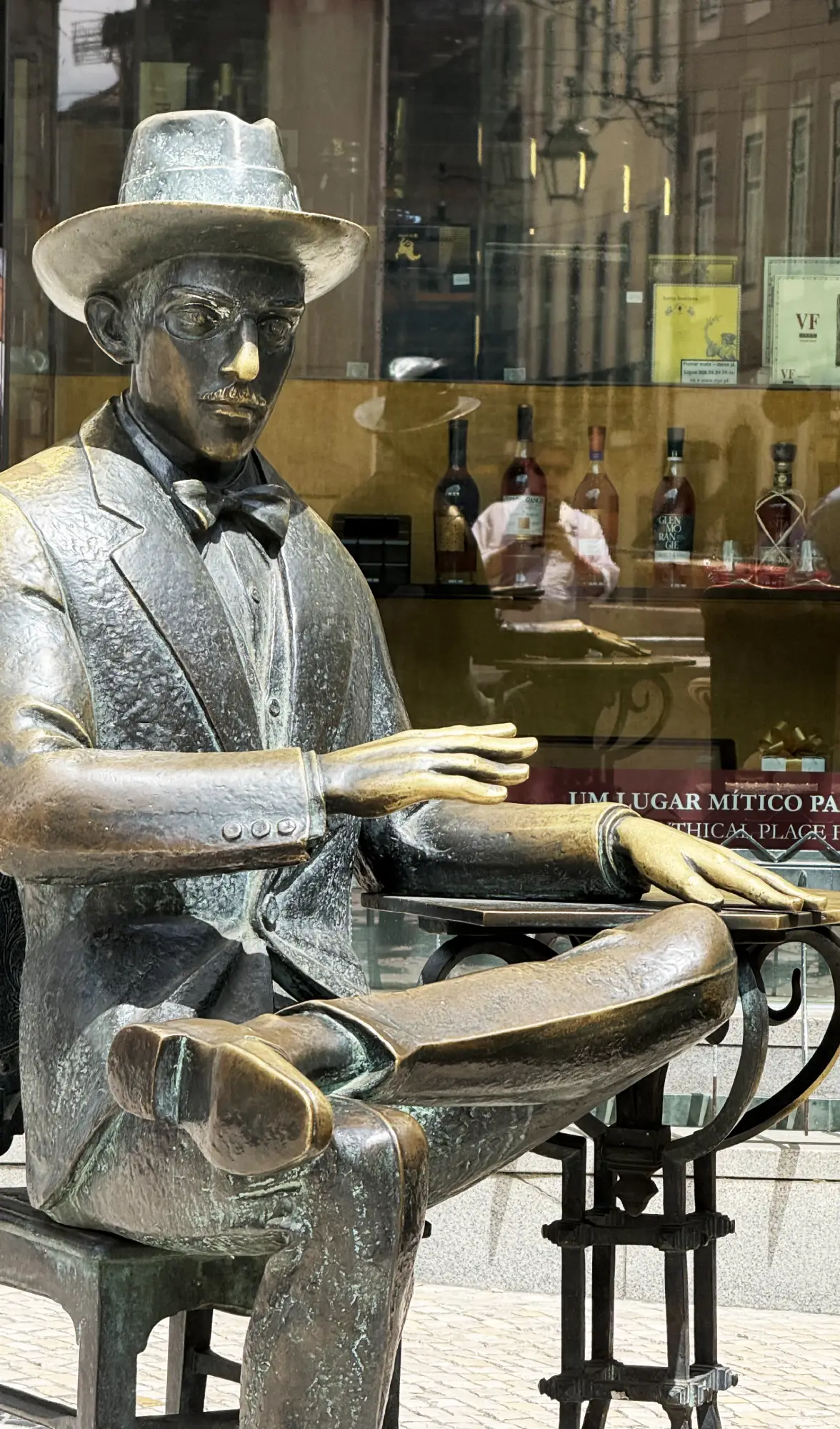
In each case, a sense of introspection comes from the same habitual rebuilding that characterizes the streets of Lisbon. This is a place that has had to rebuild its streets and itself many times over, so why not in cobblestone?
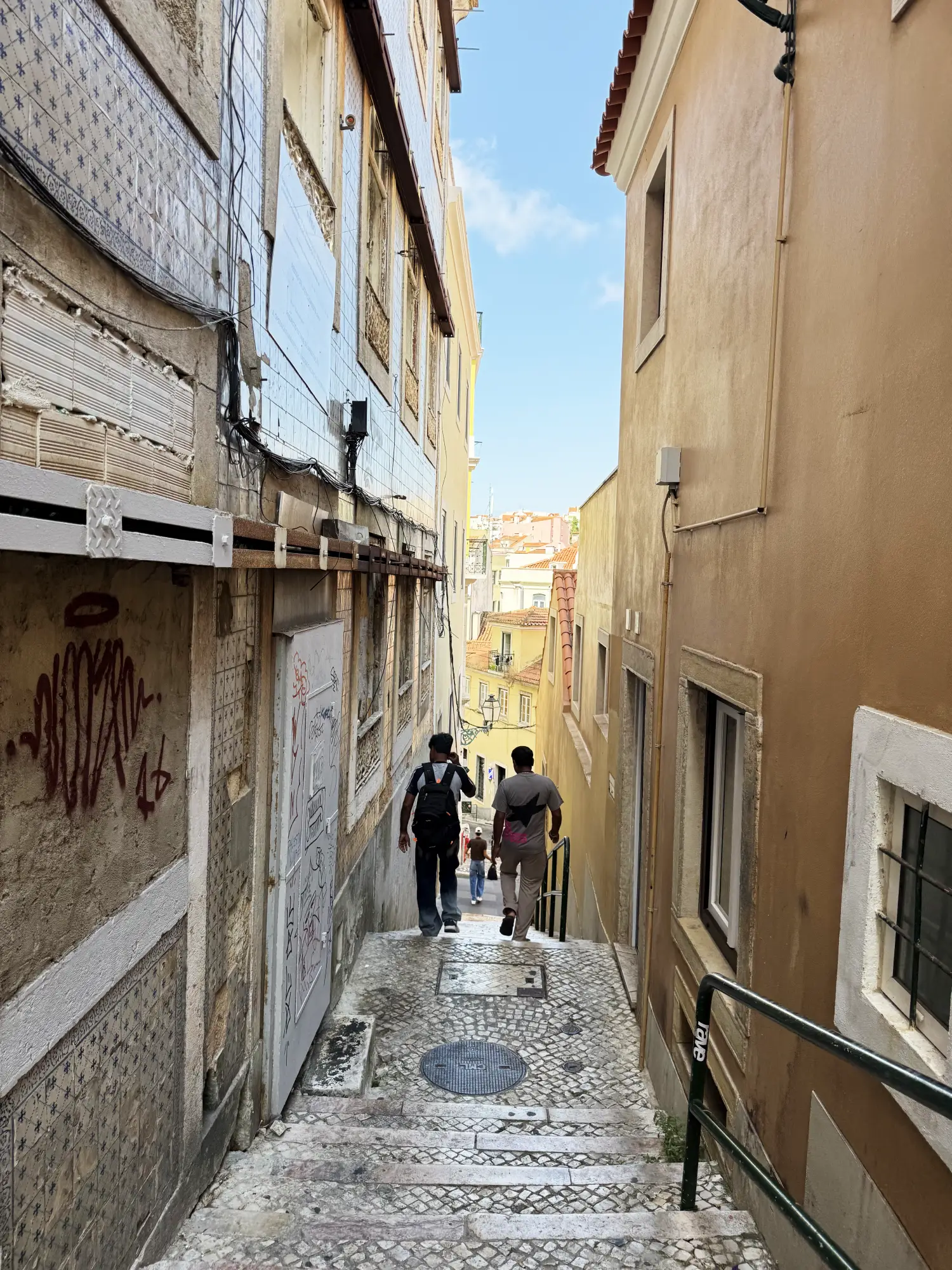
The resulting pastiche is unsettling in some places — the cobblestones get kicked up from time to time in their unceasing battle with the shoes of its citizenry only to be later snuggled back into the pathways where they belong — but what emerges is a city whose infrastructure asserts itself into the walks of the lives within it. It makes for a place and a people that are resilient and adaptive, as their art is introspective and melancholy.
This is not an easy place to wander. It is a challenge at every turn. Every page of these two books I read here mimics that challenge. As much as I’ve conjured a romantic portrait of the cobblestones here, they genuinely are hell on a person’s hip adductors.
But all that said, the cobblestones of Lisbon are as insatiable a challenge as they are a joy to embark on. In literature and in life.